The DMAIC Process Flowchart is a visual tool for organizations to optimize workflows through five phases: Define, Measure, Analyze, Improve, Control. It aids in reducing scrap rates, enhancing efficiency, and fostering continuous learning. Successful implementation requires cross-functional teams, proper training, clear communication, and structured milestones. Premium kits with detailed diagrams, manuals, case studies, and tailored metrics ensure effective results. Adapt DMAIC for digital projects, monitor results rigorously to sustain improvements.
In today’s data-driven world, effectively managing quality improvement projects is paramount for businesses seeking a competitive edge. The DMAIC (Define, Measure, Analyze, Improve, Control) process flowchart has established itself as a powerful tool for achieving this goal, enabling organizations to streamline operations and enhance efficiency. However, navigating the complex landscape of quality management can be daunting, especially for those new to the field. This article offers an authoritative guide to purchasing premium DMAIC process flowchart kits online, equipping you with the tools needed to successfully implement and optimize your quality improvement initiatives.
- Understanding DMAIC Process Flowchart Basics
- Buying Premium Kits: Key Considerations
- Implementing Your Selected DMAIC Process Flowchart
Understanding DMAIC Process Flowchart Basics

The DMAIC (Define, Measure, Analyze, Improve, Control) Process Flowchart is a powerful tool for optimizing workflow and driving continuous improvement within any organization. Understanding this methodology involves grasping each phase of the cycle and how they interconnect to achieve significant results. The DMAIC Process Flowchart provides a visual representation of this journey, guiding teams through problem identification, data collection, root cause analysis, implementation of solutions, and monitoring for sustained benefits.
For instance, consider a manufacturing company seeking to optimize its production line. Using the DMAIC Process Flowchart, they would first define the specific issue—let’s say, excessive scrap rates due to defects. In the Measure phase, they’d collect relevant data on current performance, setting benchmarks and establishing a baseline for comparison. The Analyze step delves deeper into root causes through statistical analysis and fishbone diagrams, revealing factors contributing to the defects. With a clear understanding of the problem, the Improve phase involves implementing solutions, such as process re-engineering or employee training, to address these causes. Finally, the Control stage ensures sustained improvement by establishing new standards, monitoring key performance indicators, and implementing corrective actions when needed.
Implementing a DMAIC project plan requires careful consideration of each step. Organizations should assemble cross-functional teams with diverse skills, including statistical experts and process specialists. Training in DMAIC methodology is crucial for team members to understand their roles and collaborate effectively. Regular meetings, clear communication channels, and well-defined deliverables are essential for keeping the project on track. Tracking progress in DMAIC through structured milestones and visualizations ensures everyone remains aligned and focused on achieving successful outcomes.
By optimizing workflow with DMAIC, organizations can achieve significant improvements in efficiency, quality, and overall performance. This data-driven approach encourages a culture of continuous learning and enhancement, enabling businesses to stay competitive and adapt to evolving market demands. Finding us at [brand/NAP], we offer premium DMAIC process flowchart kits designed to empower teams with the tools and insights needed to successfully navigate and implement this powerful methodology.
Buying Premium Kits: Key Considerations
When considering purchasing premium DMAIC process flowchart kits online, several key factors come into play to ensure you’re investing in a high-quality resource that will facilitate effective training and project management. First and foremost, look for kits that include detailed diagrams illustrating the DMAIC phases—Define, Measure, Analyze, Improve, Control—allowing your team to visualize and grasp the methodology more effectively. This visual aid can significantly enhance your ability to Diagram DMAIC phases accurately and efficiently.
Beyond the visuals, a robust kit should offer comprehensive guidance on training your team in DMAIC methods. This includes instructional manuals, case studies, and interactive exercises that enable practitioners to apply these tools in real-world scenarios. By equipping your team with both theoretical knowledge and practical skills, you set the stage for successful implementation of any DMAIC project.
Measuring success is a critical aspect of the DMAIC process, and premium kits should include metrics and benchmarks tailored to each phase. This allows you to track progress, identify areas for improvement, and ultimately demonstrate the value generated by your DMAIC initiatives. Regularly measuring success—whether weekly, biweekly, or monthly—enables you to Make adjustments in real time, ensuring your project stays on course and achieves its desired outcomes.
Lastly, look for kits from reputable brands known for their expertise in process improvement tools. Visiting us at [brand name] allows you to Facilitate DMAIC discussions anytime, leveraging our vast experience and resources. We offer not just products but also ongoing support to help your team navigate complex projects with confidence. By prioritizing these key considerations, you’ll be well on your way to selecting a premium DMAIC process flowchart kit that drives real results for your organization.
Implementing Your Selected DMAIC Process Flowchart
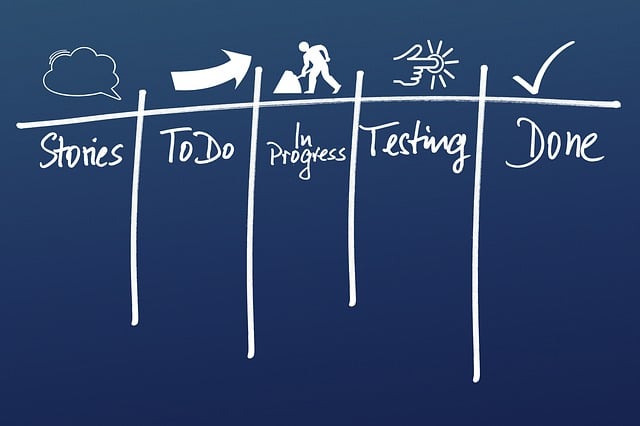
Implementing Your Selected DMAIC Process Flowchart involves a strategic approach to ensure each phase—Define, Measure, Analyze, Improve, Control (DMAIC)—is represented accurately in your diagram. Start by thoroughly understanding the DMAIC process flowchart you’ve chosen, keeping in mind the specific context of your project. Each phase should be clearly delineated, with relevant data points and metrics identified for measurement. For instance, the ‘Measure’ phase involves collecting and analyzing data to establish a baseline; this could mean tracking key performance indicators (KPIs) or defect rates in a manufacturing setting.
While the DMAIC methodology is robust, it’s not without limitations. It may not be suitable for all projects, particularly those involving complex systems with dynamic variables. In such cases, adaptation is crucial. For example, when adapting DMAIC to digital projects, consider the unique challenges of data collection and analysis in a rapidly evolving online environment. You might need to adjust the frequency of data collection or incorporate real-time analytics tools.
As you progress through each phase, diagramming the DMAIC phases visually aids in communication and collaboration. This allows team members to grasp the project’s scope and their individual roles. Moreover, it facilitates a structured approach to problem-solving. Should challenges arise—and they often do—refer to resources that offer practical insights into overcoming DMAIC challenges. For instance, visiting us at Overcome DMAIC challenges can provide valuable guidance tailored to your specific needs.
Remember, the ultimate goal is continuous improvement. After implementing changes based on your analysis, monitor the results rigorously to ensure sustained benefits. This includes refining control measures and establishing feedback loops to prevent regressions. By adhering to these principles and leveraging the right tools, you’ll not only adapt DMAIC effectively but also reap significant improvements in project outcomes.
By delving into the intricacies of the DMAIC Process Flowchart, this article has empowered readers with a comprehensive toolkit for their quality improvement endeavors. Key takeaways include understanding the foundational principles of the DMAIC methodology, critically evaluating premium kit purchases with thoughtful considerations, and gaining practical insights for implementation. Moving forward, readers are equipped to navigate complex processes, make informed decisions, and successfully implement tailored DMAIC Process Flowcharts, ultimately revolutionizing their approach to problem-solving and process optimization.