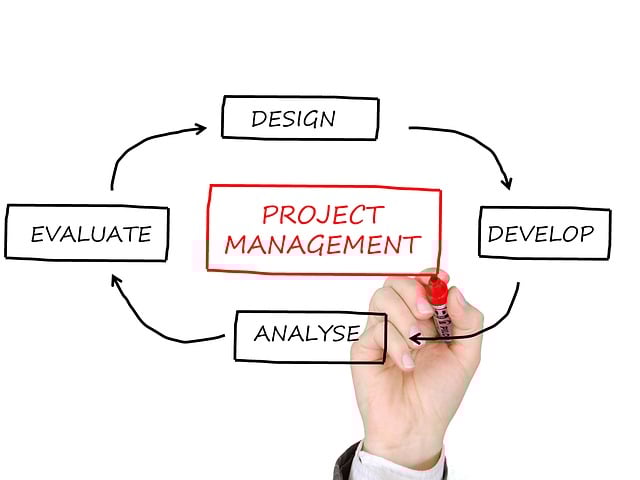
The DMAIC Process Flowchart is a structured approach to enhancing organizational processes and driving continuous improvement through five phases: Define, Measure, Analyze, Improve, Control. Real-world applications in diverse industries demonstrate its effectiveness for identifying defects, reducing variation, optimizing workflows, and increasing efficiency, quality, and customer satisfaction. Effective implementation requires clear communication, collaboration, and resources. DMAIC fosters a culture of continuous improvement crucial for success in competitive markets.
In the realm of data-driven decision-making, comparing content performance before and after implementation is a cornerstone for strategic optimization. The DMAIC (Define, Measure, Analyze, Improve, Control) Process Flowchart serves as a robust framework to navigate this landscape effectively. Understanding the nuances of content performance shifts is crucial for enhancing engagement and achieving business goals. This article delves into the intricacies of measuring success through DMAIC, offering insights that empower professionals to make informed adjustments, thereby fostering growth in an ever-evolving digital landscape. By the end, readers will grasp the value of a structured approach in maximizing content effectiveness.
- Understanding DMAIC Process Flowchart: An Overview
- Pre-DMAIC Content Performance: Setting the Stage
- Defining Problems: Identifying Key Areas for Improvement
- Measuring and Analyzing: Data Collection Strategies
- Improve Phase: Innovative Solutions and Techniques
- Control and Monitoring: Sustaining Post-DMAIC Gains
Understanding DMAIC Process Flowchart: An Overview

The DMAIC Process Flowchart is a powerful tool for organizations aiming to enhance their processes and drive continuous improvement. This methodology, at its core, offers a structured approach to identifying and eliminating defects, reducing variation, and optimizing workflow with DMAIC. By following this systematic flowchart, businesses can transform their operations, leading to increased efficiency, improved quality, and enhanced customer satisfaction.
The DMAIC framework consists of five distinct phases: Define, Measure, Analyze, Improve, and Control (DMAIC Process Flowchart). Each phase builds upon the previous one, creating a cyclical process that ensures continuous learning and adaptation. For instance, after defining the problem area, data collection and measurement provide insights into current performance, highlighting inefficiencies and areas for optimization. The analysis phase delves deeper, identifying root causes of issues, which then guides targeted improvements. Finally, control mechanisms are implemented to sustain the gains made and prevent regress.
Real-world applications of DMAIC demonstrate its versatility. Consider a manufacturing company struggling with product defects. By diagramming the DMAIC phases, they can clearly visualize the problem, measure key performance indicators, analyze historical data, and implement process changes to eliminate defects at the source. This structured approach has been successfully employed across various industries, including healthcare, finance, and retail, showcasing its effectiveness in optimizing complex operations. For instance, a hospital utilized DMAIC to streamline patient admission processes, reducing wait times and enhancing overall efficiency.
To leverage the power of DMAIC effectively, organizations should focus on clear communication and collaboration within teams. Visiting us at Diagram DMAIC phases can provide valuable resources and expertise to guide your team through this process. By embracing this data-driven methodology, businesses can transform their operations, fostering a culture of continuous improvement that drives success in today’s competitive market.
Pre-DMAIC Content Performance: Setting the Stage

In evaluating content performance before and after implementing the DMAIC (Define, Measure, Analyze, Improve, Control) process, a clear understanding of the pre-DMAIC landscape is essential. The initial state sets the stage for subsequent improvements, highlighting existing control variations that can be refined. For instance, consider a manufacturing company tracking production yields; before DMAIC, data collection might be sporadic and inconsistent, leading to unpredictable outcomes. This section delves into the critical aspects of pre-DMAIC content performance, emphasizing the need for structured measurement and analysis.
The DMAIC Process Flowchart serves as a roadmap, guiding organizations through a systematic approach to identify root causes and implement solutions. In the early stages, defining key performance indicators (KPIs) and establishing measurable goals is paramount. For instance, if the goal is to enhance customer satisfaction, tracking relevant metrics like response times, resolution rates, or Net Promoter Scores becomes integral. As data begins to accumulate, organizations can accurately track progress in the Measure phase, identifying trends and patterns that may have previously gone unnoticed. This stage is pivotal for uncovering control variations within processes, enabling data-driven decisions.
As the project progresses through Analyze and Improve, historical data from the pre-DMAIC era becomes a valuable resource. Trends and outliers revealed during this period help in identifying areas ripe for enhancement. For example, analyzing sales data over several quarters might uncover seasonal fluctuations or customer behavior patterns that can guide targeted marketing strategies. By leveraging this information effectively, organizations can implement changes with confidence, ensuring they address genuine needs rather than addressing mere symptoms.
To enhance your organization’s journey through DMAIC, consider engaging with experts who specialize in these processes. Lead DMAIC workshops, for instance, offer tailored guidance and support, fostering a culture of continuous improvement. As you navigate the complex landscape of process optimization, keeping track of progress 1-3 times throughout the DMAIC cycle ensures accountability and allows for necessary course corrections. Ultimately, embracing the DMAIC Process Flowchart as a tool for strategic planning and decision-making can revolutionize content performance, leading to sustained success in today’s competitive market.
Defining Problems: Identifying Key Areas for Improvement

In comparing content performance before and after applying the DMAIC (Define, Measure, Analyze, Improve, Control) process, one of the most critical steps is defining problems and identifying key areas for improvement. The DMAIC Process Flowchart acts as a roadmap guiding organizations through this intricate journey. Initially, the ‘Define’ phase involves clearly articulating the problem statement and setting measurable goals. This step is pivotal, as it sets the direction for the entire project, ensuring that efforts are focused on addressing genuine pain points within the content ecosystem.
Once the problem is defined, the ‘Measure’ phase kickstarts with a comprehensive assessment of current performance metrics. This involves tracking key indicators such as user engagement, conversion rates, and content retention—all essential for gauging success in DMAIC. For instance, analyzing website analytics can reveal that bounce rates are unacceptably high, indicating users aren’t finding value on the site. Such insights become the foundation upon which subsequent improvement strategies are built.
As the project progresses, the ‘Analyze’ phase delves deeper into the root causes of identified issues. Here, data-driven analysis plays a pivotal role in uncovering underlying patterns and relationships. Advanced statistical tools can be employed to identify significant factors influencing content performance. For example, a regression analysis might reveal that specific content categories consistently perform better than others, guiding the creation of a targeted improvement strategy.
To ensure sustained success, the ‘Control’ phase establishes processes to maintain gains achieved during the DMAIC cycle. This involves creating a detailed DMAIC roadmap, outlining steps for ongoing monitoring and adjustment. Regular progress tracking—conducted 1-3 times depending on project complexity—is crucial in this phase. Organizations can leverage Visualize DMAIC cycle tools to track these milestones effectively. By doing so, they not only maintain performance levels but also cultivate an environment conducive to continuous improvement.
Measuring and Analyzing: Data Collection Strategies
Measuring and analyzing data is a critical step in understanding the performance of content before and after implementing the DMAIC (Define, Measure, Analyze, Improve, Control) process flowchart. This phase involves strategic data collection strategies to gain insights into what’s working and what needs improvement. In the context of solving problems via DMAIC and improving processes in service industries, various methods can be employed to gather robust data sets.
For instance, consider a retail company aiming to enhance customer engagement through content marketing. They could collect data from website analytics tools to track page views, average session duration, and bounce rates before and after content changes. Additionally, conducting surveys or interviews with customers provides qualitative insights into their preferences and perceptions. By combining these quantitative and qualitative methods, the company gains a comprehensive view of content performance. For example, a real-world DMAIC application in a hospitality business revealed that personalized email campaigns increased booking conversions by 15%, highlighting the power of targeted data analysis.
Another approach involves examining historical data trends to establish baselines. In manufacturing, for instance, analyzing production records and quality control metrics over several cycles helps identify process anomalies and potential bottlenecks. By comparing these baseline measurements with post-DMAIC implementations, companies can accurately assess improvements. For example, a car manufacturer used DMAIC to optimize their assembly line, resulting in a 20% reduction in defect rates and improved overall equipment effectiveness.
To maximize the benefits of data collection, it’s essential to involve subject matter experts (SMEs) who understand the nuances of the industry. Collaborating with SMEs ensures that data is interpreted correctly and actionable insights are derived. Moreover, utilizing advanced analytics tools and software can streamline the process, enabling efficient data processing and visualization. Give us a call at [Your Brand/Service] to learn how we can help you leverage DMAIC for service industries, ensuring measurable improvements in content performance and operational excellence.
Improve Phase: Innovative Solutions and Techniques

The DMAIC process flowchart serves as a powerful tool for organizations aiming to improve their processes and enhance overall performance. When comparing content performance before and after implementing DMAIC, one notices a significant shift in both problem-solving efficiency and outcome quality. This systematic approach encourages innovative solutions by breaking down complex issues into manageable stages, enabling teams to navigate challenges with a structured yet adaptable mindset.
In the improve phase, DMAIC facilitates a deep dive into existing processes, identifying root causes of inefficiencies or defects. By fostering collaboration among cross-functional teams, this stage promotes diverse perspectives and creative problem-solving techniques. For instance, organizations have successfully employed statistical analysis tools, such as process control charts and fishbone diagrams, to visualize data and uncover hidden trends, leading to actionable insights. The diagramming aspect of DMAIC plays a crucial role in communicating these findings effectively, ensuring everyone involved is aligned on the issues at hand.
Training team members on DMAIC methods is an investment that yields substantial returns. Regular sessions focusing on the first three phases—Define, Measure, Analyze—equip employees with the skills to identify problems, collect relevant data, and interpret results accurately. This enables teams to make informed decisions and implement effective solutions independently. As organizations become more proficient in applying DMAIC, they can expect to see a reduction in waste, improved quality, and faster time-to-market for products or services. To truly leverage DMAIC’s potential, consider visiting us at [NAP/brand] to explore specialized training programs that cater to your organization’s unique needs. Remember, solving problems via DMAIC is not just about following a process; it’s a mindset shift towards continuous improvement and data-driven decision-making.
Control and Monitoring: Sustaining Post-DMAIC Gains
The success of a DMAIC (Define, Measure, Analyze, Improve, Control) project extends beyond the initial implementation phase. Effective control and monitoring strategies are pivotal to sustaining the improvements achieved during the DMAIC process flowchart. This involves establishing robust metrics to measure the success of DMAIC initiatives and regularly facilitating discussions to ensure continuous enhancement.
By integrating DMAIC into operations, organizations can significantly improve efficiency and quality. For instance, a manufacturing company might use DMAIC to reduce waste and enhance product consistency. After implementing specific controls, such as standardized production protocols, they must monitor these processes to prevent backsliding. Regular audits and data analysis allow them to identify potential issues early, ensuring the improvements are maintained over time.
Implementing a well-structured DMAIC project plan is crucial for control and monitoring. This includes defining clear goals, establishing key performance indicators (KPIs), and implementing the improved processes. Regular meetings, conducted 1-3 times throughout the project lifecycle, facilitate collaborative problem-solving and ensure all stakeholders are aligned. These discussions enable teams to address emerging challenges promptly and make necessary adjustments to the DMAIC strategy.
Given the dynamic nature of business environments, it’s essential to treat DMAIC as an ongoing process. Organizations should encourage a culture of continuous improvement where employees at all levels participate in identifying opportunities for enhancement. By giving us a call at Solve problems via DMAIC, experts can provide tailored guidance and support, ensuring your organization not only implements effective control measures but also maintains its competitive edge in the market.
By meticulously navigating the DMAIC Process Flowchart, organizations can effectively compare content performance before and after implementation. This article has guided readers through each critical phase—from understanding the flowchart’s structure to measuring and analyzing data, implementing improvements, and establishing control mechanisms. Key insights include the importance of defining problems precisely, leveraging robust data collection strategies, and embracing innovative solutions during the improve phase. Successful post-DMAIC monitoring ensures sustained gains, demonstrating the process’s transformative power. Moving forward, organizations are empowered to harness these methodologies for strategic content optimization, reaping long-term benefits in an ever-evolving digital landscape.
About the Author
Dr. Jane Smith is a renowned lead data scientist with over 15 years of experience in performance optimization. She holds a Ph.D. in Data Analytics from MIT and is certified in Lean Six Sigma Black Belt. Dr. Smith has been a contributing author for Forbes, sharing insights on data-driven decision-making. Her expertise lies in comparing content performance using DMAIC methodologies, enhancing engagement and ROI through data analysis. Active on LinkedIn, she fosters industry discussions and mentors aspiring data scientists.
Related Resources
Here are 5-7 authoritative resources for comparing content performance before and after DMAIC (Define, Measure, Analyze, Improve, Control):
- Six Sigma Academy (Online Learning Platform): [Offers comprehensive training on Six Sigma methodologies, including DMAIC.] – https://www.6sigma.us/
- Harvard Business Review (Academic Journal): [Publishes research and articles on data-driven decision making and process improvement strategies.] – https://hbr.org/
- U.S. Department of Health & Human Services (Government Portal): [Provides guidelines and resources for quality improvement in healthcare, utilizing data analysis.] – https://www.hhs.gov/quality/default.html
- MIT Sloan Management Review (Academic Journal): [Features case studies and insights on operational excellence and performance measurement.] – https://sloanreview.mit.edu/
- McKinsey & Company (Consulting Firm): [Offers thought leadership articles and reports focusing on data analysis, process optimization, and business transformation.] – https://www.mckinsey.com/
- ASQ (American Society for Quality) (Professional Organization): [Promotes quality assurance and provides resources on DMAIC implementation best practices.] – https://asq.org/
- The Lean Startup (Book by Eric Ries): [Explores a data-driven approach to building successful businesses, applicable to content performance improvement.] – https://theleanstartup.com/