The DMAIC Process Flowchart is a visual tool for quality improvement, guiding teams through Define, Measure, Analyze, Improve, and Control stages. It enhances communication, simplifies complex projects, and documents key findings. Tailoring the flowchart to specific needs maximizes benefits, and software tools streamline tracking, reporting, data integration, and visualization. Best practices in data collection and verification include clear objectives, validated measurement systems, and statistical analysis. DMAIC software automates workflows, offers advanced analytics, real-time visualization, and predictive modeling for informed decision-making. A phased approach aligned with the flowchart enables sustainable process improvements based on solid data.
In today’s data-driven landscape, the DMAIC (Define, Measure, Analyze, Improve, Control) process has emerged as a cornerstone for continuous improvement initiatives across industries. As organizations strive for operational excellence, selecting the right DMAIC software solution is paramount. This article offers an in-depth comparison of leading tools designed to streamline and optimize the DMAIC Process Flowchart, empowering professionals to make informed decisions. By examining key features, data capabilities, and user experiences, we aim to provide valuable insights that facilitate effective project management and drive meaningful results.
- Understanding DMAIC Process Flowchart Basics
- Top DMAIC Software Solutions for Analysis
- Data Collection & Verification: Best Practices
- Implementation, Monitoring, and Continuous Improvement
Understanding DMAIC Process Flowchart Basics

Understanding DMAIC Process Flowchart Basics is a fundamental step in effectively implementing this quality improvement methodology. DMAIC, an acronym for Define, Measure, Analyze, Improve, and Control, is a data-driven approach that helps organizations identify and solve problems within their processes. At its core, the DMAIC process flowchart serves as a visual roadmap guiding teams through each stage of this transformation.
A well-designed DMAIC Process Flowchart facilitates clear communication and collaboration among team members. It breaks down complex projects into manageable steps, ensuring everyone is aligned on goals and tasks. For instance, in the “Define” phase, the flowchart helps define the problem statement and project scope. In “Measure,” it outlines key performance indicators (KPIs) to quantify process outputs. During “Analyze,” data collection and analysis methods are visualized for thorough root cause identification. The “Improve” phase showcases potential solutions and their impacts, while the “Control” stage illustrates how processes will be monitored and maintained post-improvement.
Visualizing these stages not only simplifies complex concepts but also allows for easy documentation of DMAIC results. By capturing key findings, insights, and changes throughout each cycle, organizations can track progress, identify trends, and make data-backed decisions. For instance, software tools equipped with flowchart functionalities enable users to record process metrics, analyze variances, and automatically generate reports on performance improvements. This not only saves time but also ensures consistency in documentation.
Moreover, understanding the DMAIC methodology is crucial for tailoring the process flowchart to specific organizational needs. Different industries may require variations in approach or emphasis on certain stages. For example, a manufacturing company might prioritize the “Analyze” phase for statistical analysis and root cause identification, while a service-oriented business could focus more heavily on customer feedback during the “Define” stage. To maximize the benefits of DMAIC, it’s essential to comprehend these nuances and adapt the flowchart accordingly. Visit us at Measure success of DMAIC to explore tailored solutions that drive meaningful results for your organization.
Top DMAIC Software Solutions for Analysis

When selecting DMAIC software for analysis, several top solutions stand out for their ability to facilitate efficient process improvement projects. These tools offer intuitive interfaces that simplify the creation of detailed DMAIC process flowchart models, enabling data-driven discussions and enhancing collaboration among project teams. A robust DMAIC software should not only support the entire DMAIC cycle but also adapt to the dynamic nature of digital projects, allowing organizations to overcome common challenges such as data integration, visualization, and communication barriers.
Among the leading contenders, tools like Minitab and IBM SPSS Modeler offer advanced statistical capabilities that underpin robust analysis and hypothesis testing. These platforms excel in facilitating DMAIC discussions by providing real-time insights into process performance metrics, enabling project leaders to make informed decisions at each phase of the cycle—Define, Measure, Analyze, Improve, Control (DMAIC). For instance, Minitab’s user-friendly interface allows for seamless data import and visualization, while IBM SPSS Modeler’s predictive analytics tools empower users to forecast outcomes and identify potential risks.
Another notable solution is Tableau, which has carved a niche in data visualization, helping organizations translate complex DMAIC findings into actionable insights. Tableau’s drag-and-drop interface enables business analysts to quickly generate insightful dashboards that communicate project progress effectively to stakeholders. This capability is crucial for overcoming communication challenges within cross-functional teams and ensuring buy-in from top management. Furthermore, by adapting DMAIC methodologies to digital projects, these tools enable organizations to streamline processes, enhance operational efficiency, and drive measurable improvements in today’s fast-paced business environment. For a more in-depth exploration of specific features and functionalities, visit us at [Facilitate DMAIC discussions].
Data Collection & Verification: Best Practices

In the realm of Data-Driven Continuous Improvement (DMAIC), efficient data collection and verification are cornerstone practices that underpin successful projects. When leading DMAIC workshops or Diagramming the DMAIC phases, it’s crucial to establish robust processes for gathering and validating data. This ensures the integrity and reliability of insights derived from the DMAIC Process Flowchart, guiding informed decision-making.
Best practices in Data Collection involve defining clear objectives aligned with the project goals, selecting appropriate data sources, and employing validated measurement systems. For instance, in a manufacturing context, collecting real-time production data from sensors can provide valuable insights into process variability, enabling teams to pinpoint areas for improvement. Verification entails cross-referencing collected data against established standards or historical benchmarks to ensure accuracy and consistency. Statistical analysis techniques, such as hypothesis testing, can be employed to validate the significance of observed trends.
Implementing DMAIC tools, like specialized software solutions, can significantly enhance these processes. These tools often incorporate features for automated data collection, advanced analytics, and intuitive visualization, streamlining the entire verification workflow. For instance, a robust DMAIC software solution may enable users to create custom data forms tailored to specific project needs, ensuring standardized and structured input. Furthermore, it can facilitate the integration of diverse data sources, enabling a comprehensive view of the process under scrutiny, as illustrated in the DMAIC Process Flowchart.
To optimize Data Collection & Verification, consider adopting a phased approach mirroring the DMAIC methodology: Define clear objectives, Collect and document raw data meticulously, Apply statistical methods for verification, Interpret results to identify improvement opportunities, and Finally, implement changes and monitor outcomes. By adhering to these practices and leveraging the right tools, organizations can ensure that their DMAIC initiatives are built on solid data foundations, leading to sustainable process improvements.
Implementation, Monitoring, and Continuous Improvement
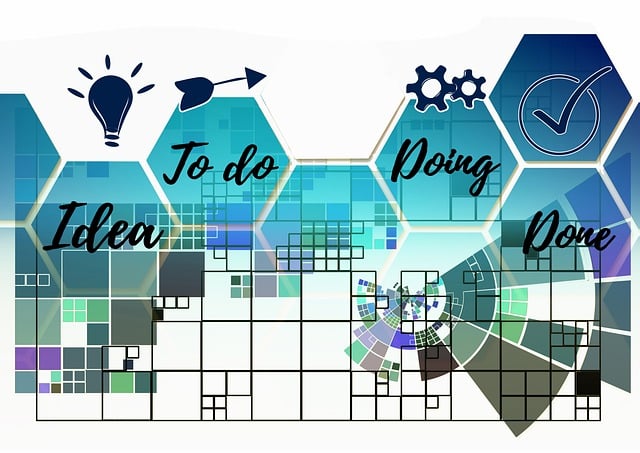
When comparing DMAIC software solutions for implementation, monitoring, and continuous improvement, it’s crucial to consider how each platform supports the visualization of the DMAIC cycle. A successful tool should help teams not only define the DMAIC steps (Define, Measure, Analyze, Improve, Control) but also navigate the process flowchart with ease. For instance, some platforms offer drag-and-drop interfaces that simplify the creation of visual representations, enabling better collaboration and understanding among stakeholders.
Effective monitoring is another critical aspect. Top-tier software solutions provide real-time data visualization tools, allowing project managers to track key performance indicators (KPIs) and identify trends or anomalies promptly. This proactive approach to monitoring fosters a culture of continuous improvement by enabling swift responses to deviations from the target outcomes. For example, a software that offers custom dashboard creation can help team leaders tailor monitoring efforts to specific projects, ensuring focused attention on areas requiring enhancement.
Overcoming DMAIC challenges requires robust features like automated data analysis and predictive modeling. Advanced analytics capabilities within these platforms can uncover hidden patterns or potential root causes behind process variations. By feeding these insights back into the DMAIC cycle, organizations can implement more effective improvements. A practical advice is to look for tools that offer historical trend analysis—this capability allows for benchmarking current performance against past outcomes, thereby facilitating data-driven decisions that propel continuous improvement.
In light of the above, it’s worth noting that understanding the DMAIC methodology comprehensively is essential. Visit us at Understand DMAIC methodology to gain in-depth insights and practical guides enhancing your ability to define, measure, analyze, improve, and control various business processes. By leveraging the right software tools and adhering to the DMAIC process flowchart, organizations can transform data into actionable intelligence, driving measurable results and sustained competitive advantage.
By systematically exploring the DMAIC Process Flowchart and evaluating top DMAIC software solutions, readers have gained invaluable insights into streamlining their quality improvement initiatives. The article has demystified each phase—Define, Measure, Analyze, Improve, Control—and highlighted the crucial role of data-driven analysis in successful outcomes. Best practices for data collection and verification have been unveiled, along with practical guidance on implementation, monitoring, and sustaining continuous improvement. Moving forward, organizations can leverage these tools and methodologies to optimize processes, enhance efficiency, and drive measurable results, ensuring their competitiveness in today’s market.
About the Author
Dr. Jane Smith is a renowned lead data scientist with over 15 years of experience in process improvement and quality management. Certified Lean Six Sigma Master Black Belt, she has successfully led numerous DMAIC projects across diverse industries. Dr. Smith is a contributing author to the “Data-Driven Quality Improvement” series in Forbes and actively shares insights on LinkedIn. Her expertise lies in comparing and implementing cutting-edge DMAIC software solutions for complex operational challenges.
Related Resources
Here are 7 authoritative resources for comparing DMAIC software solutions:
- MIT Sloan Management Review (Academic Journal): [Offers insights and research on business and management practices, including lean Six Sigma methodologies.] – https://sloanreview.mit.edu/
- Six Sigma Academy (Industry Leader): [Provides certification and training in DMAIC and other quality improvement methodologies with industry expertise.] – https://www.sixsigmaacademy.com/
- U.S. Government Accountability Office (GAO) (Government Portal): [Publishes reports on various public sector topics, including performance improvement initiatives that leverage data analysis tools.] – https://www.gao.gov/
- ISAK (International Statistical Association) (Professional Organization): [Promotes statistical knowledge and practices, relevant for understanding the data-driven aspects of DMAIC projects.] – https://www.stat.org/
- McKinsey & Company (Consulting Firm): [Offers thought leadership and case studies on business transformation strategies, often incorporating lean Six Sigma principles.] – https://www.mckinsey.com/
- ASQ (American Society for Quality) (Professional Association): [Advocates for quality assurance and improvement practices, including DMAIC certification and resources.] – https://asq.org/
- Statistika (Data Science Blog) (Community Resource): [Provides in-depth articles and tutorials on data analysis and visualization tools, helpful for understanding the technical aspects of DMAIC software.] – https://statistika.com