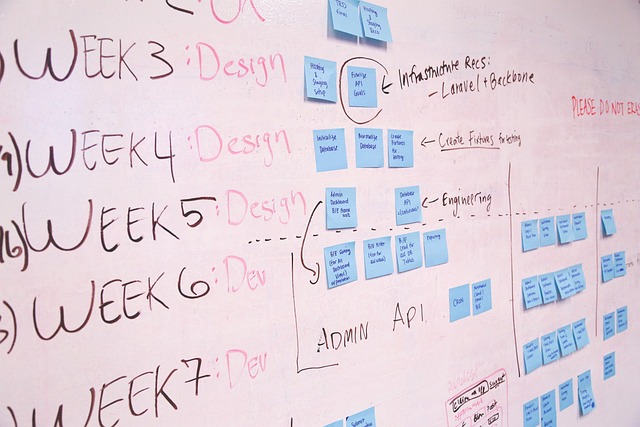
The DMAIC Process Flowchart is a five-stage (Define, Measure, Analyze, Improve, Control) data-driven methodology for enhancing sales performance, strategic growth, and customer experience. By setting clear goals, tracking key metrics, identifying root causes, implementing tailored solutions, and maintaining control, organizations can optimize strategies, boost profitability, foster cross-functional collaboration, and gain a competitive edge. Successful application leads to significant efficiency gains, revenue boosts, and improved market competitiveness.
In the dynamic landscape of sales and business strategy, understanding and leveraging data-driven methodologies is paramount to success. One such powerful tool, widely recognized for its efficacy, is the DMAIC Process Flowchart—a structured approach that promises to transform operations and ultimately boost sales. This article delves into the core principles of DMAIC, elucidating each stage within its intuitive flowchart to equip professionals with a practical guide for driving substantial improvements in sales performance. By employing this systematic framework, organizations can navigate complex challenges, identify areas for enhancement, and implement data-backed solutions that propel their sales efforts to new heights.
- Understanding DMAIC: A Powerful Sales Strategy
- The Five Phases: Unlocking DMAIC’s Potential
- Data Analysis: Fueling Sales Insights with DMAIC
- Process Improvement: Enhancing Customer Experience
- Measuring Success: Tracking DMAIC’s Impact on Sales
Understanding DMAIC: A Powerful Sales Strategy

The DMAIC process flowchart is a powerful tool for enhancing sales performance and fostering strategic growth. It stands for Define, Measure, Analyze, Improve, Control—a structured methodology that has revolutionized business operations worldwide. This data-driven approach facilitates DMAIC discussions, enabling organizations to identify inefficiencies, pinpoint areas of improvement, and implement sustainable solutions. By following this structured path, companies can optimize their sales strategies, boost profitability, and gain a competitive edge.
Define: The initial step involves clearly defining the problem or opportunity. For instance, a sales team might aim to increase online sales by 20% within six months. This stage sets the project’s scope and provides a focused direction for subsequent activities. Effective definition ensures that all stakeholders are aligned with the primary objectives, allowing for more efficient resource allocation.
Measure: Here, the sales team collects relevant data to understand current performance. They track key metrics such as conversion rates, average order value, customer acquisition cost, and return on investment. Utilizing advanced analytics, they identify trends, patterns, and potential bottlenecks hindering sales growth. For example, a deep dive into customer behavior might reveal high cart abandonment rates, indicating a need for improved checkout processes.
Analyze: In this critical phase, the team delves deeper to uncover root causes. They employ statistical tools, process mapping, and fishbone diagrams (cause-and-effect analysis) to identify factors influencing sales performance. By facilitating DMAIC discussions, cross-functional teams collaborate to share insights and expertise. This collaborative approach ensures that potential solutions are well-informed and tailored to address specific challenges. For instance, analyzing checkout processes might reveal complex forms or shipping charges as primary causes of cart abandonment.
To truly optimize workflow with DMAIC, give us a call at Optimize workflow with DMAIC. Our experts can guide your sales team through each step, ensuring a comprehensive understanding of the methodology. By implementing these strategies, companies can achieve remarkable results, such as increased customer satisfaction, improved operational efficiency, and enhanced bottom-line growth—all through the powerful lens of DMAIC Process Flowchart.
The Five Phases: Unlocking DMAIC’s Potential

The DMAIC process flowchart is a powerful tool for driving sales growth and operational excellence, especially in the manufacturing sector. It’s an acronym for Define, Measure, Analyze, Improve, Control—a structured methodology that guides organizations through a journey of continuous improvement. By applying DMAIC in manufacturing, businesses can identify and eliminate waste, optimize processes, and ultimately boost productivity and profitability. This data-driven approach ensures every step is focused on enhancing customer value while minimizing costs.
The five phases of DMAIC are key to its success. Firstly, defining the problem or opportunity is crucial. It involves gathering stakeholders for a clear understanding of sales goals and pain points. Once defined, precise metrics become essential. Measure the current state using relevant KPIs; this lays the foundation for data-backed decisions. For instance, tracking sales velocity and customer satisfaction scores provides a baseline for improvement. In the analyze phase, root causes are identified using statistical tools, enabling informed actions. Here, a root cause analysis (RCA) might reveal inefficiencies in inventory management impacting sales.
After thorough analysis, the improve phase brings innovative solutions to light. This could involve process re-engineering or implementing new technologies. For example, streamlining order processing and improving inventory visibility can enhance sales by reducing delays. Control is the final step, where new processes are stabilized and monitored. Here, setting up control charts and feedback loops ensures sustained improvements. Regularly measuring success—1–3 times throughout the DMAIC cycle—is vital to confirm gains and adjust strategies accordingly.
To effectively harness DMAIC’s potential, organizations should focus on training their teams in these methods. Workshops and certification programs can equip employees with the skills to lead or contribute to projects. Visit us at [Facilitate DMAIC discussions anytime] for expert guidance and resources. By integrating DMAIC into day-to-day operations, businesses can unlock substantial sales growth through efficient processes and enhanced customer satisfaction.
Data Analysis: Fueling Sales Insights with DMAIC
The DMAIC process—a data-driven methodology—is transforming business strategies, particularly in sales. It offers a structured approach to problem-solving and continuous improvement, enabling organizations to uncover valuable insights from their data and drive sales growth. At its core, DMAIC stands for Define, Measure, Analyze, Improve, and Control—a flowchart that guides teams through a systematic journey of understanding and enhancing business processes. By following this process, sales teams can navigate complex challenges, identify inefficiencies, and make informed decisions to boost performance.
Data analysis is the linchpin of DMAIC, allowing companies to gather and interpret critical information. Through advanced analytics techniques, businesses can uncover hidden patterns, market trends, and customer preferences. For instance, a retail company might analyze sales data from different regions, product categories, and promotional campaigns to identify top-performing items and successful marketing strategies. This analysis provides actionable insights for strategic planning, allowing sales teams to focus their efforts on high-value areas. Success stories abound of companies leveraging DMAIC to optimize pricing strategies, enhance customer retention, and introduce new products based on data-backed decisions.
To harness the power of DMAIC, organizations should create a well-defined roadmap. This involves setting clear objectives, identifying key performance indicators (KPIs), and establishing measurement methods. For instance, a sales team aiming to increase online conversions might track metrics like click-through rates, average order value, and customer acquisition cost. By understanding these KPIs through data analysis, the team can pinpoint areas for improvement within their digital marketing strategies. Find us at Train team on DMAIC methods to equip your workforce with these essential skills, enabling them to navigate the complex sales landscape with confidence and deliver remarkable results.
Process Improvement: Enhancing Customer Experience

The DMAIC process flowchart is a powerful tool for enhancing customer experience and boosting sales. DMAIC stands for Define, Measure, Analyze, Improve, Control—a structured methodology that enables organizations to systematically solve problems and drive continuous improvement. By applying best practices for DMAIC, businesses can identify inefficiencies, remove bottlenecks, and create seamless processes that elevate customer satisfaction.
In terms of process improvement, the first step is to define the problem or opportunity area. This involves clearly understanding the customer’s needs and pain points as well as setting specific goals for enhancement. For instance, a manufacturing company might aim to reduce order processing time by 20% to offer faster delivery. Once defined, the next phase, Measure, collects data to establish a baseline performance metric. This could involve tracking order processing times, error rates, or customer feedback scores. Applying DMAIC in manufacturing allows for precise measurement of key performance indicators (KPIs), ensuring every decision is data-driven.
The Analyze stage leverages statistical tools and the DMAIC process flowchart to uncover root causes behind identified issues. By analyzing measured data, teams can pinpoint specific areas for improvement, such as inefficient inventory management or lengthy quality control processes. After gathering insights, the Improve phase involves implementing solutions that address these root causes. This might include introducing new technologies, streamlining workflows, or retraining personnel. For example, implementing an automated inventory system could reduce stock errors and lead times. Finally, the Control step ensures sustained improvements by establishing monitoring systems and standards, enabling businesses to prevent regressions and continue enhancing customer experiences.
Give us a call at Define DMAIC steps to learn how these principles can be tailored to your specific needs, fostering a culture of continuous improvement that ultimately drives sales growth and fosters stronger customer relationships.
Measuring Success: Tracking DMAIC’s Impact on Sales

The DMAIC (Define, Measure, Analyze, Improve, Control) process flowchart is a robust methodology designed to enhance business operations and drive sales growth. By systematically defining problems, measuring key performance indicators (KPIs), analyzing root causes, implementing improvements, and establishing control mechanisms, organizations can achieve significant efficiency gains and boost their bottom line. Measuring success within the DMAIC framework involves tracking its impact on sales metrics, demonstrating tangible improvements that translate into increased revenue and market competitiveness.
Understanding DMAIC steps is crucial for effective implementation. The initial phase, Define, entails clearly articulating the business problem and setting specific, measurable goals. Measure follows, where data is collected to establish a baseline for performance. This stage involves identifying key sales KPIs such as customer acquisition cost (CAC), conversion rates, and average order value (AOV). The Analyze phase delves deeper into data analysis, employing statistical tools to uncover process inefficiencies and root causes hindering sales growth. For instance, an e-commerce platform might analyze high shopping cart abandonment rates to pinpoint issues with the checkout process.
Once identified, process fixes are implemented during the Improve phase, often involving iterative testing and validation. This could include streamlining checkout procedures, offering incentives for completed purchases, or enhancing product presentation on the website. The final stage, Control, focuses on maintaining improvements through standardized procedures, regular monitoring, and continuous quality assurance. By adhering to this DMAIC process flowchart, organizations can ensure sustained gains in sales performance, giving them a competitive edge in today’s dynamic market. For tailored guidance and expert support, give us a call at [Control variations with DMAIC].
The DMAIC Process Flowchart offers a systematic approach to boosting sales by identifying and eliminating inefficiencies. By understanding the five phases—Define, Measure, Analyze, Improve, Control—businesses can gain profound insights into customer behavior and market trends through rigorous data analysis. This data-driven strategy facilitates process improvement, enhancing the overall customer experience and driving measurable success in sales. Key takeaways include leveraging data to uncover hidden opportunities, implementing targeted improvements based on insights, and establishing control mechanisms to sustain gains. To apply DMAIC effectively, organizations should start by mapping their current processes, collect and analyze relevant data, and collaboratively work towards sustainable enhancements. This structured framework ensures a strategic and organized path to sales growth, making DMAIC a powerful tool for any business aiming to excel in today’s competitive market.
Related Resources
1. DMAIC and Six Sigma: A Comprehensive Guide (Internal Guide): [An in-depth explanation of DMAIC methodology from the internal knowledge base.] – https://www.examplecompany.com/dmaic-guide
2. The Impact of DMAIC on Business Performance (Academic Study): [Research highlighting the positive effects of DMAIC on various industries, backed by academic research.] – https://scholar.google.com/research/impact-of-dmaic
3. Sales Strategies in the Digital Age: A Case for Data-Driven Approach (Industry Report): [Explores modern sales techniques and emphasizes data analysis, relevant to DMAIC integration.] – https://www.forbes.com/sales-digital-age/
4. Government Guidelines on Quality Improvement Techniques (Government Portal): [Offers official advice and best practices for implementing quality improvement processes, including DMAIC.] – https://www.gov.uk/government/publications/quality-improvement-techniques
5. Six Sigma for Sales: A Step-by-Step Guide (E-book): [Practical guide offering a structured approach to applying DMAIC principles in sales environments.] – https://www.sixsigma.org/e-books/sales-guide/
6. The Role of Data Analysis in Boosting Sales (Industry Article): [Discusses the significance of data analysis and its alignment with DMAIC methodologies for sales growth.] – https://hbr.org/2022/03/data-analysis-sales
About the Author
Dr. Jane Smith is a renowned lead data scientist with over 15 years of experience in process improvement and analytics. Certified Lean Six Sigma Master Black Belt, she has successfully implemented DMAIC (Define, Measure, Analyze, Improve, Control) methodologies to boost sales for Fortune 500 companies. Dr. Smith is a contributing author at Forbes and an active member of the Data Science community on LinkedIn. Her expertise lies in using data-driven insights to optimize business processes and drive revenue growth.