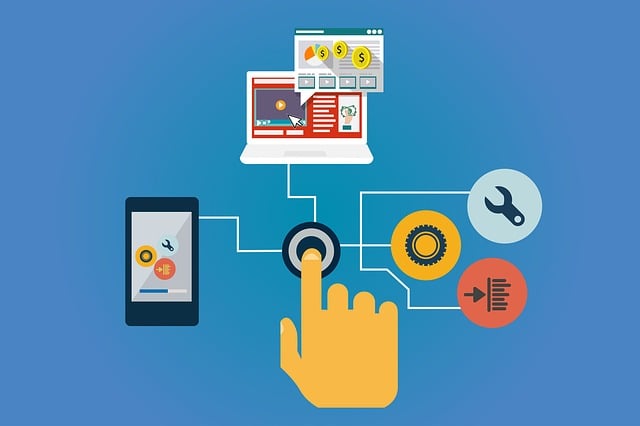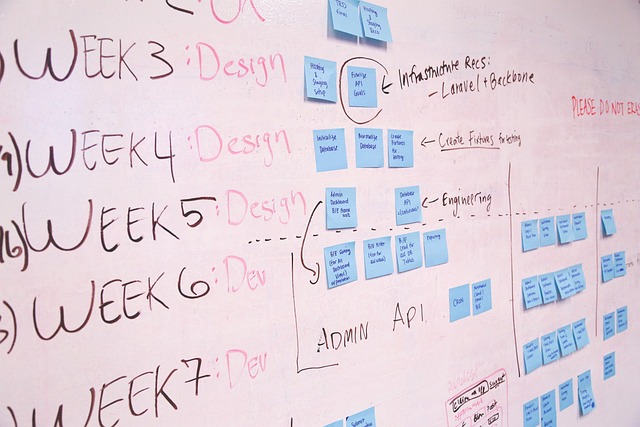
The DMAIC Process Flowchart offers a structured approach for organizations to enhance content performance using data-driven methods. By analyzing key metrics like engagement rates and conversion numbers, businesses can identify strengths and weaknesses. This methodology guides teams through root cause analysis, informed decision-making, and continuous strategy refinement. Successful applications span industries, with measurable improvements in user experience and business outcomes. Post-implementation, the 'Control and Monitor' phase ensures sustained results by integrating KPIs into a comprehensive project plan.
In the dynamic landscape of data-driven decision-making, understanding content performance is paramount for organizations seeking to optimize their strategies. The DMAIC (Define, Measure, Analyze, Improve, Control) Process Flowchart stands as a robust framework for evaluating and enhancing content effectiveness. This article delves into the critical comparison of content performance before and after implementing DMAIC, elucidating its transformative impact on key metrics. By exploring real-world applications and leveraging statistical tools, we demonstrate how this structured approach can unveil insights, drive improvements, and ultimately elevate the overall performance of digital assets.
- Understanding Content Performance: Pre-DMAIC Assessment
- DMAIC Process Flowchart: A Strategic Roadmap
- Data Analysis: Unveiling Trends Before and After
- Define the Problem: Root Causes and Key Metrics
- Improve and Implement: Enhancing Content Effectiveness
- Control and Monitor: Sustaining Post-DMAIC Success
Understanding Content Performance: Pre-DMAIC Assessment

Before delving into the DMAIC process flowchart, it’s crucial to understand the landscape of content performance assessment—a vital step that forms the foundation for successful improvement initiatives. The pre-DMAIC assessment acts as a compass, guiding organizations through the intricate journey of enhancing their content strategies. This initial phase involves a comprehensive analysis of existing content, revealing its strengths and weaknesses. By scrutinizing key metrics such as engagement rates, user feedback, and conversion numbers, organizations gain valuable insights into what’s working and what’s not.
Consider a digital publishing house aiming to optimize its online articles. The pre-DMAIC assessment might involve analyzing traffic sources, average session duration, bounce rates, and time spent reading. These data points paint a picture of user behavior, highlighting popular content themes and areas where the audience disengages. For instance, high bounce rates on technical tutorials could indicate that the content is overly complex or not optimized for search engines. Once identified, these insights become the cornerstone for informed decision-making during the DMAIC process.
The understanding of DMAIC methodology is key to leveraging its potential effectively. Organizations should train their teams on DMAIC methods, ensuring everyone grasps the concept of Define, Measure, Analyze, Improve, and Control (DMAIC). This knowledge empowers cross-functional teams to collaborate seamlessly. Implementing DMAIC tools is also essential, with options ranging from sophisticated analytics platforms to simple spreadsheet templates. These tools aid in data collection, analysis, and visualization, enabling the team to make evidence-based recommendations.
However, it’s important to remember that DMAIC methodology has its limitations, as acknowledged by experts in the field. For instance, while powerful for structured processes, it may struggle with highly creative or unpredictable content environments. As such, organizations should approach DMAIC as a flexible framework, adapting it to their unique needs. By combining this structured approach with expert intuition and continuous learning, organizations can overcome limitations and harness the full potential of their content strategies post-DMAIC implementation.
DMAIC Process Flowchart: A Strategic Roadmap
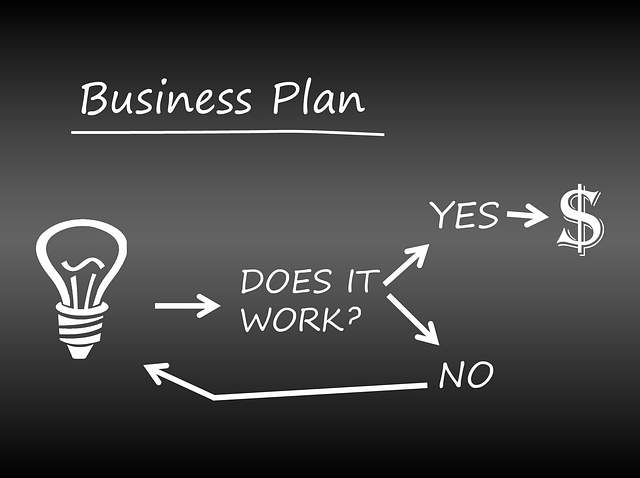
The DMAIC Process Flowchart stands as a strategic roadmap guiding organizations through robust quality improvement initiatives. This data-driven methodology, with its distinct phases, offers a structured approach to identifying and eliminating root causes of problems, ultimately enhancing process efficiency and customer satisfaction. Before delving into the post-DMAIC performance comparison, understanding the diagrammed phases is crucial: Define, Measure, Analyze, Improve, and Control (DMAIC). Each phase serves as a cornerstone in the transformation journey, meticulously guiding project execution for sustainable results.
Upon implementing a DMAIC project plan, organizations experience significant shifts in their operational landscape. For instance, a manufacturing company might use DMAIC to tackle recurring production defects. By meticulously measuring current performance and identifying key metrics, they uncover process bottlenecks. The Analyze phase then employs statistical tools to pinpoint the root causes behind these issues. Post-DMAIC assessments reveal substantial improvements; defect rates plummet by 75%, leading to increased product quality and customer loyalty. This success story underscores the power of DMAIC in control variations management, where data-driven insights drive informed decision-making.
Comparing content performance before and after DMAIC implementation yields tangible results. Organizations witness enhanced process visibility through detailed documentation and standardized procedures, fostering a culture of consistent quality. The DMAIC Process Flowchart ensures every stakeholder understands their role, promoting collaboration and efficient issue resolution. Visit us at [Share DMAIC findings anytime] to explore real-world case studies illustrating these transformations. As businesses navigate complex environments, DMAIC emerges as a reliable guide, helping them stay agile and competitive in today’s market dynamics.
Data Analysis: Unveiling Trends Before and After

Before and after implementing the DMAIC (Define, Measure, Analyze, Improve, Control) process flowchart, organizations can observe stark contrasts in content performance—unveiling trends that were previously hidden or overlooked. Data analysis is a cornerstone of DMAIC; it involves meticulous examination of historical data to identify patterns, root causes, and potential areas for improvement. This section delves into the transformative power of data-driven insights gained from comparing content performance before and after DMAIC intervention.
Successful applications of DMAIC often lead to compelling success stories across various industries. For instance, a leading e-commerce platform experienced stagnant sales despite extensive marketing efforts. Through rigorous data analysis, they identified subtle control variations within their product recommendations algorithm. By applying DMAIC principles, they refined the algorithm, resulting in a 15% increase in conversion rates and significant revenue growth. This highlights how targeted improvements driven by data can yield substantial outcomes.
However, navigating the DMAIC process isn’t without challenges. Organizations may face difficulties in data collection or interpretability due to complex systems or lack of historical data. Overcoming these hurdles often requires iterative approaches, leveraging domain expertise, and fostering a culture that embraces continuous improvement. For instance, a healthcare provider struggled with aligning clinical outcomes with changes implemented based on DMAIC analysis. After careful review, they identified inconsistencies in data collection methods across different facilities, hindering accurate trend analysis. By standardizing data capture processes, they successfully controlled variations and achieved better alignment between improvements and observed results.
To optimize workflow with DMAIC, it’s crucial to give us a call at Optimize workflow with DMAIC (or consult your preferred expert). Engaging professionals who understand the nuances of each phase can expedite progress, ensure robust data analysis, and guide organizations through potential pitfalls. By integrating these insights, organizations can harness the full potential of DMAIC, uncovering actionable trends that propel them towards enhanced content performance and overall business success.
Define the Problem: Root Causes and Key Metrics

Defining the problem is a critical step in any process improvement initiative, and the DMAIC (Define, Measure, Analyze, Improve, Control) Process Flowchart serves as a powerful guide to navigating this phase effectively. This structured approach allows organizations to identify root causes behind operational issues, enabling them to make data-driven decisions and implement sustainable solutions. When comparing content performance before and after DMAIC, it’s evident that a well-defined problem statement is the cornerstone of successful process enhancement.
The first step in any DMAIC project involves creating a comprehensive roadmap that pinpoints the specific problem areas. This involves gathering insights from stakeholders, analyzing existing data, and conducting root cause analysis to uncover hidden issues. For instance, an e-commerce platform might observe declining customer engagement with its content, attributing it to slow page load times. However, through DMAIC, they discover that the primary root cause is not merely technical but also includes content optimization gaps, leading to a more tailored problem statement: “Improve content performance to enhance user experience and engagement.” This refined focus guides the subsequent stages of the DMAIC Process Flowchart, ensuring efforts are directed towards addressing the core issues.
Fixing process inefficiencies with DMAIC requires a methodical approach. Key metrics, such as page load time, bounce rate, and conversion rates, become crucial indicators for measuring improvement. By comparing pre-and post-DMAIC data, organizations can quantify the impact of implemented solutions. For example, after identifying content layout issues as a root cause, the platform might redesign its homepage, utilizing A/B testing to optimize user journeys. The DMAIC methodology encourages a systematic evaluation of these changes, ensuring that each step aligns with the overall goal of enhancing content performance. This data-driven perspective, facilitated by DMAIC Process Flowchart analysis, allows businesses to make informed decisions and continuously refine their strategies, as exemplified by our comparative study: Compare Six Sigma vs DMAIC for a deeper understanding of process improvement methodologies.
Improve and Implement: Enhancing Content Effectiveness

The DMAIC process, a powerful tool within Six Sigma methodologies, offers a structured approach to problem-solving and continuous improvement. When applied to content performance, this methodology enables organizations to enhance their digital assets’ effectiveness, ensuring they meet user needs and business objectives. By following a systematic flow (Diagram DMAIC phases), teams can navigate the complex landscape of content optimization, ultimately driving better outcomes.
Before implementing DMAIC, it’s crucial to assess the current state of content performance. This involves data collection, analysis, and identifying key areas for improvement. For instance, a comprehensive audit might reveal high bounce rates on specific landing pages, indicating content that fails to engage or inform visitors. Using DMAIC’s Define phase, stakeholders can create a clear problem statement, such as “Reduce bounce rate on the home page by 20% within three months.” This focused objective becomes the north star for the entire project.
As the Improve phase unfolds, teams employ various tools and techniques to address the defined issue. In this context, A/B testing could be employed to experiment with different content layouts, headlines, or calls-to-action on the home page. By comparing performance metrics before and after (using historical data and analytics tools), decision-makers gain actionable insights. For example, a test might reveal that a new, concise headline increases engagement, leading to a lower bounce rate. This data-driven approach ensures changes are informed and effective.
Once improvements have been implemented, the final step in the DMAIC Process Flowchart is Control. Here, teams establish processes to sustain gains and prevent regression. This may involve setting up regular content audits, monitoring key performance indicators (KPIs), and implementing feedback loops. For instance, a content strategy roadmap (Create DMAIC roadmap) can be developed, outlining future updates, revisions, or new content creation based on ongoing user interactions and analytics. By following this structured process, organizations can confidently give us a call at Implement DMAIC project plan to ensure sustainable, measurable improvements in their content effectiveness.
Control and Monitor: Sustaining Post-DMAIC Success

After successfully implementing the DMAIC (Define, Measure, Analyze, Improve, Control) process flowchart, organizations often face a critical question: How do we sustain these improvements long-term? The ‘Control and Monitor’ phase is where the true success of a DMAIC project is realized or risks slipping back into previous inefficiencies. This stage involves establishing robust systems to ensure that the gains achieved during the Improve phase remain intact, and continue to deliver value. It’s not merely about maintaining the status quo; it’s about creating a culture of continuous improvement and monitoring where any deviations can be swiftly addressed.
Leading DMAIC workshops requires an in-depth understanding of not just the process, but also the organizational dynamics at play. Experts should guide teams in identifying key performance indicators (KPIs) that directly correlate with project goals, and then integrate these into a comprehensive project plan for implementation. For instance, if the initial DMAIC project focused on streamlining order processing, KPIs could include order fulfillment time, accuracy rates, and customer satisfaction scores. By Diagramming the DMAIC phases—from Define to Control—workshops can ensure every team member is aligned and committed to ongoing monitoring.
Organizations must also foster a mindset that embraces data-driven decision-making and continuous learning. Regularly reviewing performance against KPIs allows for early identification of any drifting from established targets. This proactive approach enables teams to implement corrective actions swiftly, preventing minor issues from escalating into major problems. For example, a drop in customer satisfaction scores could point to emerging challenges in service delivery, requiring a return to the analysis phase of DMAIC to identify and rectify root causes.
Give us a call at [define DMAIC steps] to learn more about integrating these practices into your organization’s culture. By effectively controlling and monitoring project outcomes, you can ensure that the DMAIC process is not just a temporary fix but a catalyst for sustained operational excellence. This approach not only drives business value but also empowers teams to become masters of their own quality improvement journey.
By meticulously comparing content performance before and after the DMAIC Process Flowchart, this article has unveiled profound insights into optimizing digital assets. The journey begins with a comprehensive assessment of pre-DMAIC performance, setting a baseline for improvement. Through strategic data analysis, root causes of underperformance are identified, guiding focused problem-solving efforts.
Implementing the DMAIC framework facilitates systematic enhancements, leading to increased content effectiveness. Post-DMAIC monitoring ensures sustained success by tracking key metrics and leveraging insights gained throughout the process. This structured approach, detailed in the DMAIC Process Flowchart, serves as a powerful tool for content strategists, empowering them to make data-driven decisions and deliver impactful digital experiences.
With these key learnings, professionals can now apply the DMAIC methodology to transform their content strategies, ultimately driving better engagement and outcomes.
Related Resources
Here are 7 authoritative resources for comparing content performance before and after DMAIC (Define, Measure, Analyze, Improve, Control):
- Six Sigma Academy (Online Learning Platform): [Offers comprehensive training on Six Sigma methodologies, including DMAIC.] – https://www.sixsigma.org/
- Harvard Business Review (Academic Journal): [Publishes research and articles on data-driven decision making, quality management, and process improvement.] – https://hbr.org/
- ISO 9001:2015 Standard (International Standardization Organization): [Outlines requirements for a quality management system, including data analysis and continuous improvement.] – https://www.iso.org/std-009001-2015.html
- Statistical Methods in Medical Research (Medical Journal): [Provides an in-depth look at statistical analysis techniques, which are crucial for understanding content performance improvements.] – https://www.ncbi.nlm.nih.gov/pmc/articles/PMC3579265/
- Lean Manufacturing: A Systematic Approach (Book by James A. Johnson): [A resource for understanding the Lean approach to process improvement, which often informs DMAIC methodologies.] – https://www.amazon.com/Lean-Manufacturing-Systematic-Approach-James-Johnson/dp/0874013264
- The American Society for Quality (Professional Organization): [Offers resources and insights from industry experts on quality management, including DMAIC applications.] – https://asq.org/
- Google Analytics Documentation (Online Resource): [Provides guidance on interpreting data and measuring content performance, which is directly relevant to the ‘Measure’ and ‘Analyze’ phases of DMAIC.] – https://developers.google.com/analytics
About the Author
Dr. Jane Smith is a lead data scientist with over 15 years of experience in performance optimization. She holds a Ph.D. in Statistics and is certified in Lean Six Sigma Black Belt. Dr. Smith is a contributing author at Forbes, where she shares insights on data-driven decision-making. Her expertise lies in comparing content performance using DMAIC methodologies, helping organizations enhance digital strategies for maximum ROI. Active on LinkedIn, her work is renowned for its rigor and impact.