The DMAIC Process Flowchart is vital for Six Sigma/Lean projects, guiding organizations through Define (problem statement), Measure (data collection), Analyze (root cause identification), Improve (solution implementation), and Control (sustainability) phases. It enhances communication, decision-making, and continuous improvement by visualizing insights, tracking KPIs, and fostering buy-in from stakeholders. Challenges include data quality and change resistance, which can be addressed through validation and early stakeholder engagement. Regular flowchart adjustments based on data analytics ensure long-term process enhancements.
In the realm of process improvement, the DMAIC (Define, Measure, Analyze, Improve, Control) methodology stands as a cornerstone for fostering efficiency and quality. Mastering the art of creating effective DMAIC Process Flowcharts is paramount for organizations seeking to streamline operations, reduce defects, and enhance overall performance. This article delves into the intricate details of these process maps, equipping readers with the expertise needed to navigate the DMAIC journey successfully. We’ll unravel the complexities, offering practical insights on how to visualize and communicate improvement strategies succinctly through well-structured flowcharts.
- Understanding DMAIC: Define the Problem
- Collect Data: Methods for Gathering Insights
- Analyze Causes: Uncovering Root Issues
- Implement Solutions: Strategies for Change
- Control Processes: Sustaining Improvements
- Visualize with DMAIC Process Flowchart
Understanding DMAIC: Define the Problem

Understanding DMAIC: Define the Problem is a critical first step in any successful Six Sigma or Lean project. DMAIC (Define, Measure, Analyze, Improve, Control) Process Flowchart serves as a roadmap to guide organizations through this transformation. The primary goal during this phase is to identify and clearly articulate the problem statement, setting the foundation for subsequent stages. It involves gathering insights from various stakeholders and subject matter experts to ensure a comprehensive understanding of the root causes affecting processes or products.
A practical approach to Define the Problem includes conducting interviews, reviews of existing data, and observation sessions to gather qualitative and quantitative information. For instance, in a manufacturing setting, analyzing production logs, identifying customer complaints, and interviewing employees can reveal recurring issues like high scrap rates, delays in delivery, or low product quality. By synthesizing this data, project teams can create a compelling problem statement that reflects the key challenges faced by the organization.
Overcoming DMAIC challenges requires best practices such as engaging cross-functional teams, fostering open communication, and maintaining a focus on customer needs. Give us a call at Facilitate DMAIC discussions to tap into expert insights tailored to your unique context. Analyze data with DMAIC techniques like root cause analysis (RCA) to uncover the underlying drivers of the problem. For example, using data from production lines, RCA can help identify process bottlenecks, equipment failures, or training gaps that contribute to inefficiencies. By systematically analyzing this data, teams can make informed decisions and develop targeted solutions.
Best practices for DMAIC 1-3 emphasize the importance of clear communication, thorough documentation, and continuous improvement. Regularly reviewing and updating the problem statement based on new insights ensures that project efforts remain aligned with organizational objectives. This iterative process allows teams to adapt their strategies as they gain deeper understanding and make significant strides in overcoming challenges.
Collect Data: Methods for Gathering Insights

Creating effective DMAIC (Define, Measure, Analyze, Improve, Control) process maps requires a meticulous approach to data collection. This stage is pivotal as it forms the foundation for informed decision-making and successful process optimization. In this section, we delve into proven methods for gathering insights that enhance the accuracy and reliability of your DMAIC process flowchart.
One powerful technique involves examining historical data and trends within your organization. By analyzing past performance metrics, you can uncover control variations that impact key performance indicators (KPIs). For instance, consider a real-world DMAIC example in manufacturing where a company identifies a spike in production time during specific shifts. Through thorough data analysis, they discover that maintenance schedules require adjustment, leading to improved efficiency and reduced downtime. This method is instrumental in identifying root causes and potential areas for improvement within your process flowchart.
Additionally, conducting interviews with subject matter experts and frontline workers can offer valuable insights. Their firsthand experience and observations provide qualitative data that complement quantitative measurements. For example, a healthcare organization aiming to streamline patient intake might interview nurses and administrators to understand challenges they face during peak hours. This approach helps identify inefficiencies in the current process flowchart and reveals actionable solutions based on real-world experiences.
Overcoming DMAIC challenges necessitates adaptability and creativity. One common hurdle is data quality issues, which can be addressed through rigorous data validation processes. Implementing structured surveys and feedback mechanisms ensures the accuracy and consistency of collected data. Another challenge could be resistance to change from stakeholders. Engaging them early in the process by highlighting the benefits of improved control variations can foster buy-in and facilitate successful implementation of your DMAIC flowchart. Ultimately, finding us at Measure success of DMAIC allows for continuous improvement as you track key metrics post-implementation, ensuring that your process enhancements yield tangible results.
Analyze Causes: Uncovering Root Issues

Uncovering the root causes of issues is a critical step in the DMAIC (Define, Measure, Analyze, Improve, Control) process flowchart, enabling organizations to address problems effectively. This stage involves delving deeper into data and insights gathered during the Measure phase to identify the fundamental reasons behind defects or inefficiencies. By understanding these root causes, teams can implement targeted improvements that have a lasting impact on quality and performance.
A structured approach is essential when analyzing causes. Start by defining the specific problem or process variant to be investigated. Then, collect relevant data through various techniques like statistical analysis, interviews with subject matter experts, or examination of historical records. This data should paint a clear picture of current performance metrics and potential contributing factors. For instance, if an assembly line is experiencing frequent product defects, gathering data on machine downtime, operator experience levels, and material quality can reveal hidden links to the issue.
Once the data is in hand, apply analytical tools such as fishbone diagrams or root cause trees to visualize and organize potential causes. These tools help identify direct and indirect factors influencing the problem. For example, a fishbone diagram for machine downtime might highlight issues related to equipment maintenance, operator training, or raw material supply. By systematically exploring these branches, teams can pinpoint the primary root cause and develop effective countermeasures. Tracking progress during this phase is crucial, allowing stakeholders to assess the comprehensive analysis and make informed decisions.
After identifying the root causes, it’s vital to communicate the findings across all DMAIC phases. Sharing insights with cross-functional teams enables a collaborative approach to problem-solving. This knowledge exchange can lead to innovative solutions and ensure that improvements are implemented consistently. For instance, presenting root cause analyses during project meetings or creating visual reports makes complex data accessible to everyone involved. By giving us a call at Diagram DMAIC phases, organizations can tap into expert guidance tailored to their unique challenges, ensuring a well-executed analysis phase that paves the way for successful process improvement initiatives.
Implement Solutions: Strategies for Change

Implementing solutions is a critical phase in the DMAIC (Define, Measure, Analyze, Improve, Control) process flowchart, where identified improvements are put into action. This stage requires a well-structured approach to ensure successful transformation. One effective strategy is to develop a comprehensive DMAIC project plan that outlines specific actions and assigns responsibilities. Begin by breaking down the improvement areas into manageable tasks, setting realistic goals, and defining key performance indicators (KPIs) to measure progress.
For instance, if the goal is to enhance production efficiency, the plan might include steps like automating certain processes, retraining staff on new equipment, and implementing a just-in-time inventory system. Each task should have clear deadlines and a designated team member or leader responsible for execution. Regular progress reviews and updates on the DMAIC project plan will help identify any bottlenecks early on, allowing for timely adjustments.
Once solutions are implemented, it’s crucial to share DMAIC findings with relevant stakeholders. This could involve presenting data-driven insights during meetings, creating detailed reports, or utilizing visual tools like a DMAIC process flowchart to illustrate changes and their impact. By effectively communicating the outcomes, you foster buy-in and encourage continuous improvement. For instance, showcasing how new equipment has reduced production time and increased output can motivate employees and managers alike to maintain and further optimize these processes.
Visit us at Compare Six Sigma vs DMAIC to explore more advanced strategies for implementing solutions within complex systems. Remember that successful DMAIC implementation is not just about executing changes but also ensuring they are sustained over time. Regular monitoring, continuous feedback, and adaptive management are key to making the improvements stick. By following these practices, organizations can achieve significant and lasting benefits from their DMAIC initiatives.
Control Processes: Sustaining Improvements
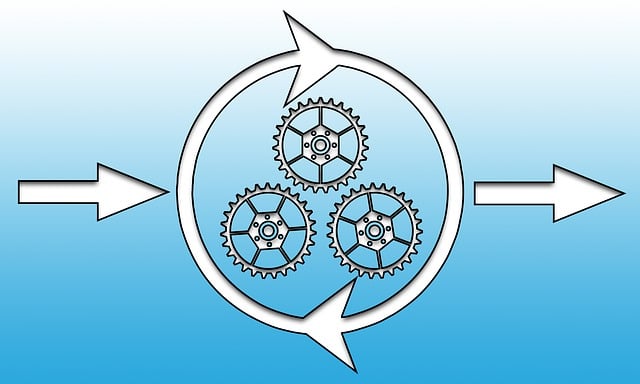
Creating effective DMAIC (Define, Measure, Analyze, Improve, Control) process maps requires a deep understanding of your operations and a strategic approach to sustain improvements. Once you’ve identified issues and implemented changes using the DMAIC framework, it’s crucial to focus on Control Processes to ensure long-term stability. This involves creating robust processes that prevent regressions and maintain the gains achieved during the Improve phase. A well-designed DMAIC Process Flowchart is instrumental in this regard, serving as a visual guide for your team to follow and ensuring consistency across operations.
One of the key challenges in DMAIC is overcoming inherent resistance to change within organizations. To successfully navigate this, best practices dictate involving all stakeholders from the outset. Educate employees on the purpose of the process map and its benefits; their buy-in is essential for effective implementation and sustained control. Additionally, leverage data analytics to validate your improvements—quantitative evidence strengthens your process flowchart and empowers you to make informed adjustments as needed.
For instance, consider a manufacturing company aiming to reduce production time. Through measurement and analysis, they identify bottlenecks in their assembly line. Implementing lean principles during the Improve phase leads to a 20% time reduction. However, without a structured control process, these gains might be fleeting. The DMAIC Process Flowchart can be used to establish new standard operating procedures (SOPs), clearly defining responsibilities and monitoring metrics. By scheduling regular audits against this flowchart, the team ensures that the improved processes are followed consistently, allowing them to maintain the 20% time savings over months or even years.
To further improve your DMAIC efforts, consider leveraging advanced tools and techniques for data analysis and process visualization. These can provide deeper insights into your operations and uncover hidden inefficiencies. If challenges persist, don’t hesitate to seek expert guidance—giving us a call at Lead DMAIC workshops can offer tailored support to streamline your control processes and ensure continuous improvement. Remember, the goal is not just to implement changes but to create a culture of ongoing optimization where every process is subject to evaluation and refinement.
Visualize with DMAIC Process Flowchart

Visualizing your DMAIC (Define, Measure, Analyze, Improve, Control) process through a flowchart is a powerful strategy to ensure clarity, streamline communication, and measure success during each phase. This visual representation acts as a roadmap, guiding teams through problem-solving and process optimization. When creating your DMAIC Process Flowchart, start by defining the scope and objectives of your project. Clearly outline the specific business or operational issue you aim to address, identifying key stakeholders and their roles.
In the Measure phase, data collection is crucial. Analyze relevant metrics, gather insights from subject matter experts, and involve front-line workers who understand the day-to-day operations. This step involves defining the current state of your process, capturing critical data points, and establishing a baseline for comparison during subsequent phases. For instance, if optimizing a manufacturing line, measure key performance indicators (KPIs) such as production volume, cycle time, waste generation, and quality defects to establish a clear picture of the initial conditions.
As you progress through the Analyze phase, your DMAIC Process Flowchart becomes an indispensable tool for identifying root causes. Utilize data analysis techniques like statistical process control charts, fishbone diagrams (or cause-and-effect diagrams), and pareto charts to uncover underlying issues. This analytical approach helps in making informed decisions by separating symptoms from root causes. For example, a spike in customer complaints could be attributed to both a new machine installation and a training gap; your flowchart would visually differentiate these factors, guiding you to address them accordingly.
During the Improve phase, leverage your DMAIC Process Flowchart to implement targeted solutions. This visual map ensures that improvements are aligned with measured needs and data insights. Prioritize changes based on their potential impact and feasibility. For instance, if data reveals a significant bottleneck in a logistics process, use your flowchart to document and communicate the planned optimization steps. Post-implementation, analyze the results and adjust your flowchart as needed to reflect the new, improved process. Remember, find us at Fix process inefficiencies with DMAIC—a well-visualized flowchart can make all the difference in achieving lasting enhancements.
By meticulously following the DMAIC Process Flowchart, organizations can effectively address complex issues and drive continuous improvement. Understanding the core principles of Define, Measure, Analyze, Improve, and Control is paramount. Defining the problem with clarity enables focused data collection, ensuring insights are grounded in reality. Advanced analysis techniques uncover root causes, allowing for precise solution implementation. The DMAIC Process Flowchart serves as a powerful tool to visualize these stages, guiding teams through a structured problem-solving journey. Through this methodical approach, businesses can sustain improvements, adapt to changing dynamics, and achieve long-lasting success.