The DMAIC Process Flowchart is a Lean Six Sigma tool guiding organizations through five stages: Define, Measure, Analyze, Improve, Control. It aids in enhancing manufacturing processes by setting goals, gathering data, analyzing root causes, implementing solutions, and maintaining control. Data-driven problem identification, measurement with digital tools, advanced analysis techniques, and impactful visualizations drive continuous improvement. Structured roadmaps, workshops, and real-time feedback loops ensure successful DMAIC implementations, fostering collaboration, transparency, and productivity gains.
In today’s data-driven landscape, effectively communicating complex information through visuals is paramount for driving successful business outcomes. The DMAIC (Define, Measure, Analyze, Improve, Control) Process Flowchart serves as a powerful framework for problem-solving, but its visual representation often falls short of its potential. This article delves into the art and science of creating impactful DMAIC visuals, offering proven techniques to help professionals elevate their data storytelling and unlock transformative insights. By the end, you’ll be equipped with the knowledge to craft visuals that not only convey information but also inspire action.
- Understanding DMAIC Process Flowchart Basics
- Define: Problem Identification Strategies for Impact
- Measure: Data Collection Techniques Masterclass
- Analyze: Uncovering Patterns with Advanced Tools
- Improve: Implementing Effective Solution Strategies
- Control: Sustaining Changes Through Feedback Loops
Understanding DMAIC Process Flowchart Basics

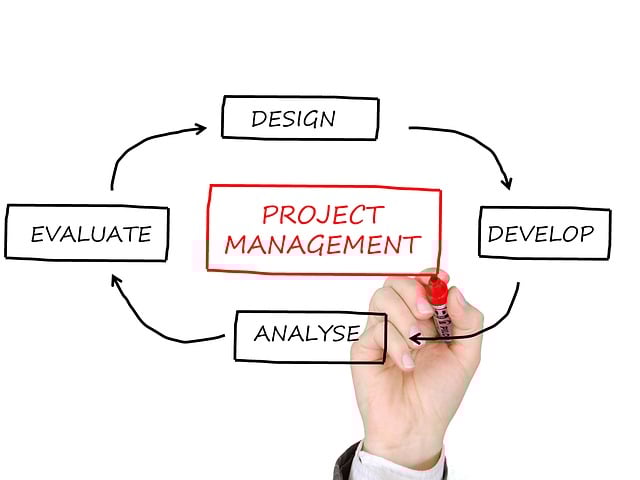
The DMAIC Process Flowchart is a cornerstone tool for any organization seeking to enhance its processes through Lean Six Sigma methodologies. Understanding this flowchart is pivotal in defining and visualizing the steps involved in improving quality, efficiency, and overall performance, especially within manufacturing environments. By grasping the fundamentals of the DMAIC (Define, Measure, Analyze, Improve, Control) process, businesses can effectively apply DMAIC in manufacturing to optimize their workflow.
The initial phase, Define, sets the stage by clearly defining the problem or opportunity for improvement. This involves identifying key performance indicators and understanding customer requirements. For instance, a manufacturing company might aim to reduce scrap rates by 50% within six months. Moving on to Measure, data collection becomes crucial; tracking metrics such as current cycle times, defect rates, and production volumes provides a baseline for subsequent analysis. During this stage, it’s essential to gather accurate and relevant data to support informed decision-making.
Upon entering the Analyze phase, statistical tools are employed to uncover underlying causes of identified issues. Techniques like root cause analysis and fishbone diagrams help in identifying factors influencing process variations. Consider a scenario where an assembly line experiences frequent delays; analyzing this could reveal inadequate training, machine breakdowns, or inefficient material handling as primary contributors. Finally, the Improve step encourages innovative solutions through process reengineering, tool implementation, or technology adoption. In manufacturing, this might involve introducing automated robots to streamline production, ensuring sustained improvements.
To maximize the benefits of DMAIC, organizations should repeat these steps iteratively for continuous improvement. Additionally, visiting us at Optimize workflow with DMAIC can offer tailored guidance and resources for implementing these principles effectively in diverse business contexts.
Define: Problem Identification Strategies for Impact

Problem Identification is a critical step within the DMAIC (Define, Measure, Analyze, Improve, Control) process flowchart, serving as the foundation for successful quality improvement initiatives. This stage involves uncovering and clearly articulating the root causes behind operational issues, enabling data-driven decisions that drive meaningful change. An effective problem identification strategy ensures that the focus remains on the core challenge, guiding teams to develop targeted solutions.
For instance, consider a manufacturing company battling consistent product defects. Through structured problem identification techniques, they can systematically gather insights from various stakeholders, analyze production processes, and collect relevant data points. This holistic approach may involve conducting interviews with line workers, reviewing historical production records, and performing statistical analyses to isolate the specific stage in the production line causing the defects. By employing these strategies, the team gains a comprehensive understanding of the problem’s intricacies.
To implement proven techniques, leaders should facilitate workshops that encourage open dialogue and collaborative thinking among participants. These sessions can include brainstorming activities, root cause analysis tools like the 5 Whys method, or fishbone diagrams to visually map potential causes. Documenting the DMAIC results from these exercises is vital for tracking progress and identifying patterns. For instance, a visual representation like a problem statement flowchart can effectively communicate key findings to stakeholders, ensuring everyone aligns on the scope and focus of the improvement project.
Overcoming challenges during this phase requires adaptability and a deep understanding of the process. Common hurdles include resistance from employees, lack of data availability, or initial misalignment in perspectives. To address these, DMAIC workshop leaders should foster an environment of trust and transparency, providing clear explanations for each step and encouraging feedback. Additionally, leveraging existing data and involving subject matter experts can aid in navigating these challenges. For instance, when data is scarce, historical trends from similar processes can offer valuable insights. By combining these approaches, organizations can successfully define problems with precision, setting the stage for effective solutions within the DMAIC process flowchart. Visit us at Create DMAIC roadmap to learn more about tailored strategies and tools.
Measure: Data Collection Techniques Masterclass

In the realm of problem-solving via DMAIC (Define, Measure, Analyze, Improve, Control), the “Measure” phase is where data collection techniques masterclass comes into play, underpinning the entire DMAIC process flowchart. This critical stage involves gathering precise and relevant data to inform decisions and guide improvements. It’s not merely about collecting numbers; it’s about selecting the right tools and methods to capture the essence of the problem. For instance, in a digital project aiming to enhance user engagement, metrics like click-through rates, time on page, and bounce rates become invaluable assets, allowing for data-driven insights within the DMAIC roadmap.
Adaptability is key when translating DMAIC to modern projects. In contrast to traditional methods, digital tools offer robust data visualization capabilities, enabling teams to quickly interpret complex information. Tools like Tableau or Power BI can transform raw data into digestible charts and graphs, enhancing the analysis phase. Moreover, leveraging analytics platforms can provide real-time insights, allowing for agile adjustments during the Improve and Control stages. For instance, a company tracking customer satisfaction through surveys can promptly identify trends and implement changes to improve experiences, showcasing the dynamic nature of DMAIC in the digital age.
A well-structured DMAIC roadmap is essential for successful implementation. It should delineate clear goals, define key performance indicators (KPIs), and outline data collection processes. For instance, a 3-step approach could involve: 1) identifying primary metrics like customer feedback scores; 2) gathering data through surveys and analytics; and 3) visualizing results on an interactive dashboard. This roadmap ensures a systematic yet adaptable process, allowing for course corrections as new insights emerge. To enhance efficiency, consider leveraging existing data sources to avoid redundant efforts. Finally, remember that accurate data is the lifeblood of DMAIC; its quality and relevance directly impact the effectiveness of solutions derived from the analysis phase, giving us a call at Solve problems via DMAIC for tailored guidance.
Analyze: Uncovering Patterns with Advanced Tools

The Analyze phase of the DMAIC process is a crucial step where patterns and root causes within complex data sets are unveiled, enabling teams to make informed decisions. This stage involves advanced statistical tools and techniques to extract meaningful insights from vast amounts of information. By employing these methods, organizations can gain a competitive edge by identifying areas for improvement and making strategic adjustments. One powerful tool is the DMAIC Process Flowchart, which visually represents the data analysis journey, making it easier to track progress and identify bottlenecks.
In this phase, data scientists and analysts play a pivotal role in selecting appropriate statistical methods, such as hypothesis testing, regression analysis, or process capability analysis, to unearth patterns and relationships within the collected data. For instance, consider a manufacturing company aiming to reduce product defects. They can use historical data to perform a Pareto analysis, revealing the most significant defect types that drive quality issues. This information is then translated into a DMAIC Process Flowchart, showcasing the distribution of defects and guiding the team’s focus on high-impact areas.
As you navigate through the Analyze stage, it’s essential to create a clear DMAIC roadmap, outlining the specific tasks, tools, and expected outcomes. This roadmap ensures that the analysis stays on track and allows for efficient tracking of progress. By combining advanced data analysis techniques with a structured approach, organizations can transform raw data into actionable insights. For instance, implementing predictive modeling techniques in conjunction with process mapping can predict potential issues before they occur, enabling proactive measures.
Diagram DMAIC phases offers expert guidance to help teams master this critical step. Give us a call to learn more about how these methodologies can be tailored to your organization’s unique needs and gain a competitive advantage through data-driven decision-making.
Improve: Implementing Effective Solution Strategies

To effectively implement solution strategies within the DMAIC (Define, Measure, Analyze, Improve, Control) process, organizations must focus on creating impactful visuals that communicate complex data clearly. A well-structured DMAIC Process Flowchart serves as a powerful tool to guide teams through problem-solving and ensure every step is documented meticulously. For instance, consider a manufacturing company aiming to reduce production waste. Visualizing the current state using a flowchart can reveal critical bottlenecks, enabling data-driven decisions for improvement.
Documenting DMAIC results is crucial for tracking progress and evaluating the success of implemented solutions. This involves translating qualitative insights into quantitative data, which can be presented in easy-to-understand graphics. For instance, a bar chart illustrating waste reduction percentages across different production lines provides tangible evidence of improvements. Moreover, incorporating these visuals into presentations facilitates effective communication with stakeholders, fostering buy-in and alignment.
However, navigating DMAIC challenges is inherent in any project. Common obstacles include data inconsistency, resistance to change, or lack of engagement from key team members. To overcome these hurdles, encourage open dialogue throughout the process. Facilitate DMAIC discussions where team members can share perspectives and concerns openly. For example, hosting regular workshops to review data and brainstorm solutions can foster collaboration and address challenges proactively. Additionally, leveraging digital tools for real-time data analysis allows teams to adapt quickly as new insights emerge.
To enhance these efforts, visit us at [Facilitate DMAIC discussions](https://www.example.com/dmaic) anytime for expert guidance and resources. Remember that successful DMAIC implementations require a blend of structured processes, effective communication, and adaptability—all underpinned by visually compelling documentation that drives action and sustains continuous improvement.
Control: Sustaining Changes Through Feedback Loops
Creating impactful visuals for the DMAIC (Define, Measure, Analyze, Improve, Control) process is a powerful way to drive sustainable change in any manufacturing environment. The key to success lies in understanding how to effectively navigate and visualize each phase of this continuous improvement methodology. Once you’ve defined the problem and established clear goals, it’s crucial to implement control strategies that ensure the changes you make are sustained over time. Think of it as building a roadmap with clear milestones—each visual should tell a story of progress and help maintain momentum.
A well-designed DMAIC Process Flowchart serves as a dynamic tool for managing this transition from analysis to implementation. By incorporating real-time data and feedback loops, you can identify potential roadblocks before they occur. For instance, a manufacturing facility might use a flowchart to map out the steps involved in improving production efficiency. As data is collected during the Measure phase, any anomalies or bottlenecks become visible, allowing for immediate corrective actions. This proactive approach not only enhances overall productivity but also ensures that improvements are consistently applied across various operations.
The benefits of applying DMAIC in manufacturing are numerous. It fosters a culture of continuous learning and adaptation, enabling companies to stay competitive in dynamic markets. Implementing a structured DMAIC roadmap encourages collaboration among cross-functional teams, ensuring everyone is aligned with the improvement goals. Moreover, the visual nature of DMAIC tools makes complex processes more accessible to all stakeholders, promoting transparency and buy-in. For organizations looking to revolutionize their operations, visiting us at [Implement DMAIC tools] can provide access to powerful resources and expert guidance tailored to your specific needs.
By mastering the DMAIC Process Flowchart, readers now hold a powerful tool to drive positive change within their organizations. This article has guided them through each phase—from defining the problem to implementing solutions and controlling outcomes—offering strategic insights and practical techniques for impactful data visualization. Key takeaways include the importance of precise problem identification, robust data collection, advanced analytical tools, and effective solution strategies. The DMAIC Process Flowchart provides a structured framework to navigate complex issues, ensuring sustainable improvements. Moving forward, readers are equipped to apply these principles, fostering a culture of continuous improvement and empowering them to create significant, lasting changes.