The DMAIC Process Flowchart is a powerful visual tool for service industries, streamlining problem-solving and continuous improvement. It maps out key stages: define, measure, analyze, improve, control, using clear visuals like graphs and charts. Customized flowcharts tailored to stakeholders' needs enhance communication and data interpretation. Analyzing trends through advanced software tools aids in identifying process bottlenecks and driving operational excellence. Effective communication ensures all levels of the organization understand and actively participate in the DMAIC cycle.
In the realm of data-driven process improvement, effective visual representation of project stages is paramount. The DMAIC Process Flowchart, a cornerstone of Lean Six Sigma methodology, guides organizations through Define, Measure, Analyze, Improve, and Control (DMAIC) steps to eliminate defects and enhance efficiency. However, illustrating these complex stages can pose challenges, leading to miscommunication and misinterpretation. This article delves into the best practices for creating intuitive and accurate DMAIC Process Flowcharts, ensuring clear navigation through each phase, from problem identification to sustained improvement. By adopting these strategies, organizations can harness the full potential of the DMAIC process, fostering a culture of continuous enhancement.
- Defining DMAIC Process Flowchart: Key Components
- Measuring Visuals: Effective Data Representation
- Analyzing Trends: Tools for Insight Generation
- Improving Clarity: Best Practices for Communication
Defining DMAIC Process Flowchart: Key Components

Defining a DMAIC Process Flowchart is a crucial step in implementing the DMAIC (Define, Measure, Analyze, Improve, Control) methodology effectively. A well-structured flowchart visually represents the process, making it easier for teams to understand, follow, and track progress. This tool is particularly valuable in service industries where clear communication and efficient processes are paramount.
The key components of a DMAIC Process Flowchart include a clear definition of the problem or opportunity area, followed by distinct phases that guide the team through data collection, analysis, and improvement strategies. In the “Define” phase, clearly outline the business goal and the specific problems to be addressed. This sets the foundation for the entire project. For instance, a service industry might aim to enhance customer satisfaction by reducing wait times. The flowchart should then depict the “Measure” phase, where key performance indicators (KPIs) are established and data is collected to establish a baseline.
As teams progress through the “Analyze” phase, the flowchart can showcase statistical tools and root cause analysis techniques used to identify underlying issues. This is followed by the “Improve” phase, which outlines potential solutions and their implementation. Finally, the “Control” phase demonstrates how future performance will be monitored and maintained using control charts and other quality assurance mechanisms. By incorporating these elements, the DMAIC Process Flowchart becomes a powerful visual guide that facilitates problem-solving and continuous improvement.
For organizations looking to harness the full potential of DMAIC in service industries, visiting us at [Use DMAIC for Service Industries] can provide access to specialized resources and expertise tailored to these unique challenges. Through practical insights and data-driven strategies, our platform enables businesses to track progress 1-3 times throughout the DMAIC process, ensuring efficient problem-solving and sustained improvements.
Measuring Visuals: Effective Data Representation

Visual representation plays a pivotal role in effectively communicating the DMAIC (Define, Measure, Analyze, Improve, Control) process flowchart, ensuring that complex data is easily understood by all stakeholders. When presenting DMAIC findings, whether for internal alignment or external reporting, clear and compelling visuals become indispensable tools. For instance, consider a manufacturing company aiming to optimize their production lines; using interactive process flowcharts within dedicated software platforms, they can vividly illustrate the current state, identify bottlenecks, and demonstrate proposed improvements, fostering a collaborative environment.
Implementing DMAIC tools for data visualization should prioritize simplicity and accuracy. A well-designed chart or graph not only simplifies the interpretation of measurement data but also aids in identifying trends and anomalies. For instance, utilizing bar charts to compare defect rates across different production stages can quickly reveal areas requiring immediate attention. Furthermore, sharing these visuals during project debriefs or client presentations can effectively summarize progress and impact, ensuring everyone is aligned with the DMAIC journey.
The key to successful visual representation lies in tailoring the graphics to the audience’s needs. For technical teams within an organization, detailed process flowcharts with data overlays may be ideal for assessing current performance and implementing changes. In contrast, executives require concise, high-level overviews focusing on key metrics and improvements achieved. By customizing visuals based on these varying roles and perspectives, organizations can ensure that the DMAIC process is not only understood but also embraced by all levels of stakeholders.
Given the significant impact of visual representation, consider giving us a call at Benefits of DMAIC implementation to explore tailored solutions for your organization. Leveraging the right data visualization techniques allows for fixing process inefficiencies (DMAIC 1-3) with remarkable precision and speed, ultimately driving operational excellence. From enhancing internal communication to fostering innovative problem-solving, effective visual representation is a cornerstone of any successful DMAIC initiative.
Analyzing Trends: Tools for Insight Generation
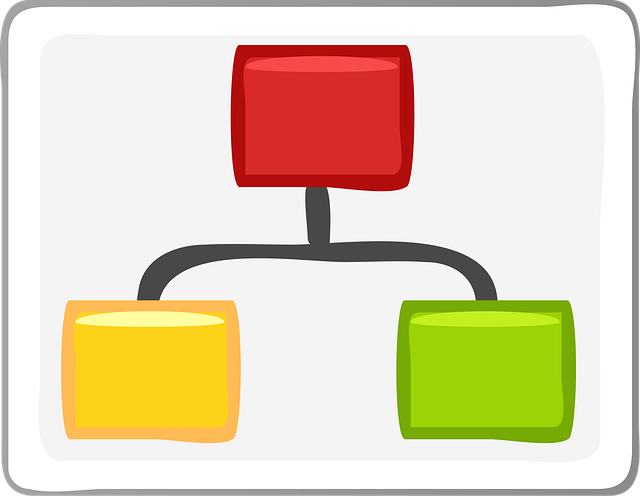
Analyzing trends is a critical aspect of the DMAIC (Define, Measure, Analyze, Improve, Control) process flowchart, offering valuable insights for continuous improvement initiatives. This stage involves meticulous data examination to uncover patterns and relationships, which can be facilitated by employing various analytical tools. By implementing these tools effectively, organizations can overcome DMAIC challenges and gain a competitive edge. One powerful approach is to utilize statistical analysis methods, such as time-series analysis, to track trends over different periods. For instance, in a manufacturing setting, tracking production output over months or quarters can reveal seasonal variations, allowing for more precise process adjustments.
Visual representations play a pivotal role in interpreting these trends. A well-designed DMAIC process flowchart can help stakeholders understand the data and identify key areas for improvement. Incorporating graphs, charts, and diagrams allows for a clearer understanding of complex relationships and patterns. For example, a scatter plot can illustrate the correlation between two variables, enabling teams to make informed decisions. Additionally, using software tools designed for data visualization can enhance these representations, making it easier to spot anomalies or significant changes in trends over time.
To ensure successful implementation, organizations should invest time in selecting appropriate tools based on their specific needs and the nature of the data they possess. For instance, while a simple line graph might suffice for tracking sales figures, more intricate analysis could require advanced software capable of handling regression modeling. By choosing the right tools, businesses can control variations effectively, a cornerstone of DMAIC methodology. Should you require guidance tailored to your unique situation, consider reaching out to visual experts who specialize in DMAIC cycle representation; they can provide customized solutions to enhance your process flowcharts and drive successful outcomes.
Improving Clarity: Best Practices for Communication
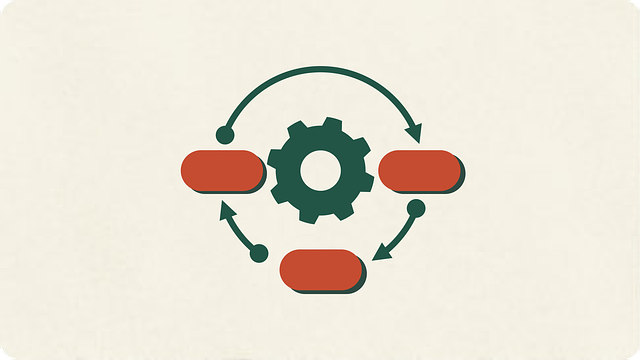
Effective communication is paramount when visualizing the DMAIC (Define, Measure, Analyze, Improve, Control) process flowchart to ensure a clear understanding of each step for all team members involved in problem-solving initiatives. The visual representation serves as a powerful tool to guide teams through the complex journey of process improvement. Herein, we explore best practices to enhance clarity and facilitate seamless navigation of the DMAIC cycle.
A well-designed DMAIC Process Flowchart should be intuitive, allowing participants to follow the logical progression from defining the problem to implementing and monitoring control measures. Utilize clear and concise labels for each stage, avoiding jargon that might confuse viewers. For instance, instead of “Data Collection,” consider “Gather Initial Data” or “Collect Measurements.” This simplicity ensures that stakeholders from diverse backgrounds can grasp the workflow without extensive training. Incorporate color-coding to differentiate between stages, making it easier to identify and track the current phase of the project.
Visual aids such as diagrams, graphs, and illustrations can significantly enhance the understanding of statistical analysis and process trends. For instance, when presenting data from the Measure phase, a well-crafted chart or graph can convey variations in key performance indicators more effectively than tables alone. This visual approach not only simplifies complex information but also enables stakeholders to quickly identify anomalies or areas requiring further investigation. When incorporating these visuals into your DMAIC flowchart, ensure they are accurately labeled and referenced to avoid misinterpretation during problem-solving sessions.
To overcome common DMAIC challenges related to communication, adopt a multi-faceted approach. Regularly conduct review meetings where team members can voice their interpretations of the visual representation. This practice facilitates early identification of any discrepancies or misunderstandings. Additionally, provide accessible resources such as detailed descriptions or tutorials alongside the flowchart to support individuals who may require further clarification. By fostering open dialogue and offering supplementary materials, you empower teams to actively engage in solving problems via DMAIC while ensuring a consistent and clear understanding of the process flow. Remember, effective communication is key to successful implementation and control within the DMAIC cycle. Reach out to Control variations with DMAIC for expert guidance tailored to your unique needs when navigating these complex yet rewarding problem-solving methodologies.
By effectively visualizing the DMAIC Process Flowchart, organizations can significantly enhance their problem-solving capabilities. Key insights include incorporating defining key components within the flowchart to provide a clear framework; utilizing measuring visuals that accurately represent data for informed decision-making; leveraging analytical tools to uncover trends and generate insights; and focusing on improving communication through best practices, ensuring all stakeholders understand the DMAIC steps. These strategies not only streamline the continuous improvement process but also empower teams to tackle complex challenges with confidence. Moving forward, organizations should prioritize these best practices to optimize their DMAIC Process Flowchart, leading to more successful outcomes and increased operational excellence.